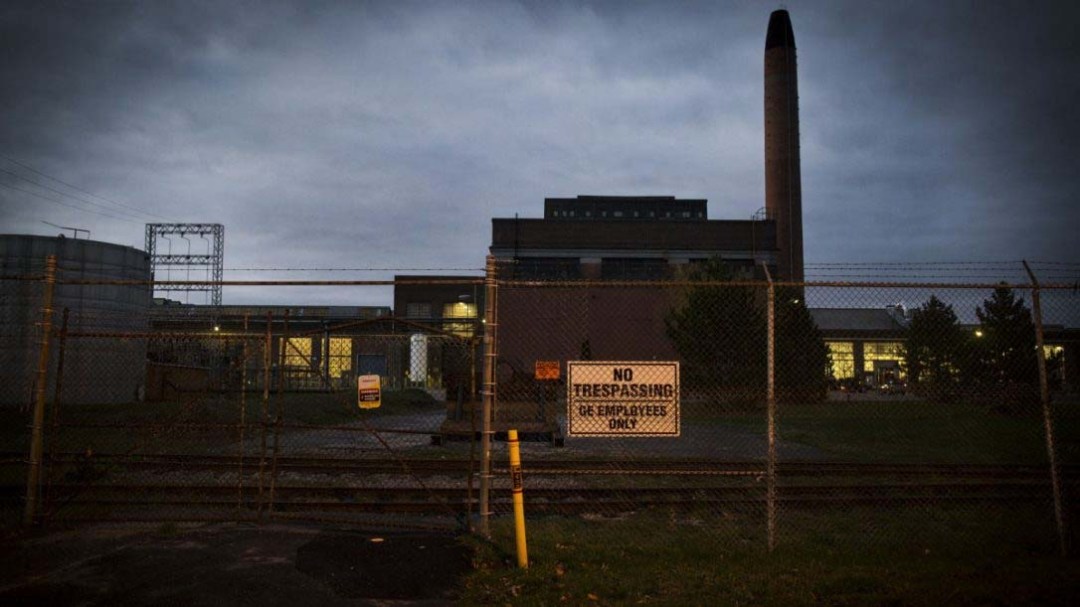
A comprehensive study of chemical exposures at GE’s Peterborough plant shows workers routinely handled more than 3,000 highly toxic substances in decades past. GE has said protective measures were appropriate for the time and that health and safety of workers has always been ‘No. 1 priority.’
“For many years, workers and their family members were forced to provide proof as to their working conditions, only to be told this is anecdotal,” said Sue James, whose father Gord worked at the plant for 30 years and died of lung and spinal cancer, diseases his family believes were caused by his exposure to workplace chemicals.
“This report is a true depiction of the working conditions of the GE plant from its very beginnings until approximately 2000, when safety measures were finally being mandated,” said James, who was also employed by the company for 30 years and is among 11 retirees who worked as advisers on the report.
“It honours and recognizes the struggles and grief of a working community and gives validation to a historic past,” she added.
Plant workers, who built everything from household appliances to diesel locomotive engines and fuel cells for nuclear reactors, were exposed to more than 3,000 toxic chemicals, including at least 40 known or suspected to cause cancer, at levels hundreds of times higher than what is now considered safe, the report says.
Subsequent to the release of this report the Canadian Labour Minister Kevin Flynn seeks “expedited” settlement process for workers exposed to toxic chemicals at Peterborough plant in decades past. Read the news report here.
Read the original article in the Toronto Star here.
The full report prepared by Robert DeMatteo and Dale DeMatteo available to download here.
Published by wildcardenvironmentalist
Helen Lynn has worked on issues linking women, gender, health and the environment since 1995, initially at the Women’s Environmental Network where she was health co-ordinator for 12 years, then as a freelance consultant. She has worked internationally and at EU level with Women in Europe for a Common Future and is on their International Advisory Board. Her campaign work began with Putting Breast Cancer on the Map, which encouraged women to map local sources of pollution alongside incidence of breast cancer and she was one of the founders of the No More Breast Cancer Campaign. She is on the Soil Associations Health Products Standards Committee which develops and keeps under review standards for organic health and beauty care products. While at WEN she and the health team initiated the Getting Lippy campaign on harmful ingredients in cosmetics, the campaign covered all aspects of the issue including information on toxic ingredients, making your own cosmetics, misleading labelling and advertising of the products and which alternatives are available. Other campaigns Helen worked on included the Ban Lindane (a toxic pesticide used on crops) Campaign, Healthy Flooring, Enviromenstrual, and Multiple Chemical Sensitivity. She currently facilitates the Alliance for Cancer Prevention which works with occupational and environmental health specialists and activists to challenge the existing emphasis on control and treatment of cancer as the only way forward and to get equal recognition for primary prevention, particularly in relation to environmental and occupational risk factors. In 2014 along with fellow breast cancer activists she began the From Pink to Prevention campaign which aims to move the agenda towards Stopping Breast Cancer before it Starts.
View all posts by wildcardenvironmentalist

 allianceforcancerprevention.org.uk